
In our previous article, we explored how to identify Post-Exertional Malaise (PEM) – the severe, systemic crash that individuals with chronic fatigue conditions can experience after physical or cognitive effort. The next, and perhaps most critical challenge, is safely managing it within a compensable framework to facilitate a durable recovery.
Traditional rehabilitation often relies on pushing boundaries to build tolerance. However, when dealing with conditions like Chronic Fatigue Syndrome (ME/CFS), Long COVID, Fibromyalgia, or Post-Viral Fatigue, that approach frequently backfires. At Specialised Health, our specialised fatigue management program, ‘Bounce’, replaces rigid progression with highly individualised, data-driven pacing strategies designed to stabilize the client’s energy and prevent debilitating crashes.
The Core Philosophy of Pacing: Budgeting the Battery
Managing PEM requires teaching clients how to carefully budget their limited daily energy. We often use the analogy of an energy “battery.” The goal of pacing is not to drain the battery to zero, but to finish every activity with some energy left over. This buffer makes it significantly easier for the battery to recharge and helps manage overall symptom severity.
In practical terms, effective pacing relies on three fundamental rules:
- Stop: Cease activity before symptoms start, or the moment they begin to escalate. Recognising the ‘early warning signs’ or red flag symptoms is important to take action before a full PEM episode ensues.
- Rest: Intentionally integrate regular rest breaks throughout the day, rather than waiting for a crash to force a timeout. Rest can include any activity that helps to relax the body – such as laying down, breathing / meditation, or low stimulation activities. This may also involve proactively scheduling rest before and after tasks / events that are known to cause fatigue.
- Pace: Break activities down into smaller, manageable parts. For example, instead of cooking dinner from start to finish, a client might plan their meal in the morning, prepare the food in the afternoon, and complete the cooking in the evening. Rather than vacuuming the whole house, they may break it up room by room, taking rest breaks throughout.
The idea is that at the end of the day, there is still a little bit of energy left in the battery. We need to be realistic of course; balancing competing demands – such as family, work, pets, house work, personal cares – can mean that perfect pacing is not always possible. Our capacity on one day may be different to the next. It’s an ever-changing landscape, so how can one know where to draw the line?
That’s where biometrics come in.
Utilising Biotechnology: Data-Driven Daily Decisions
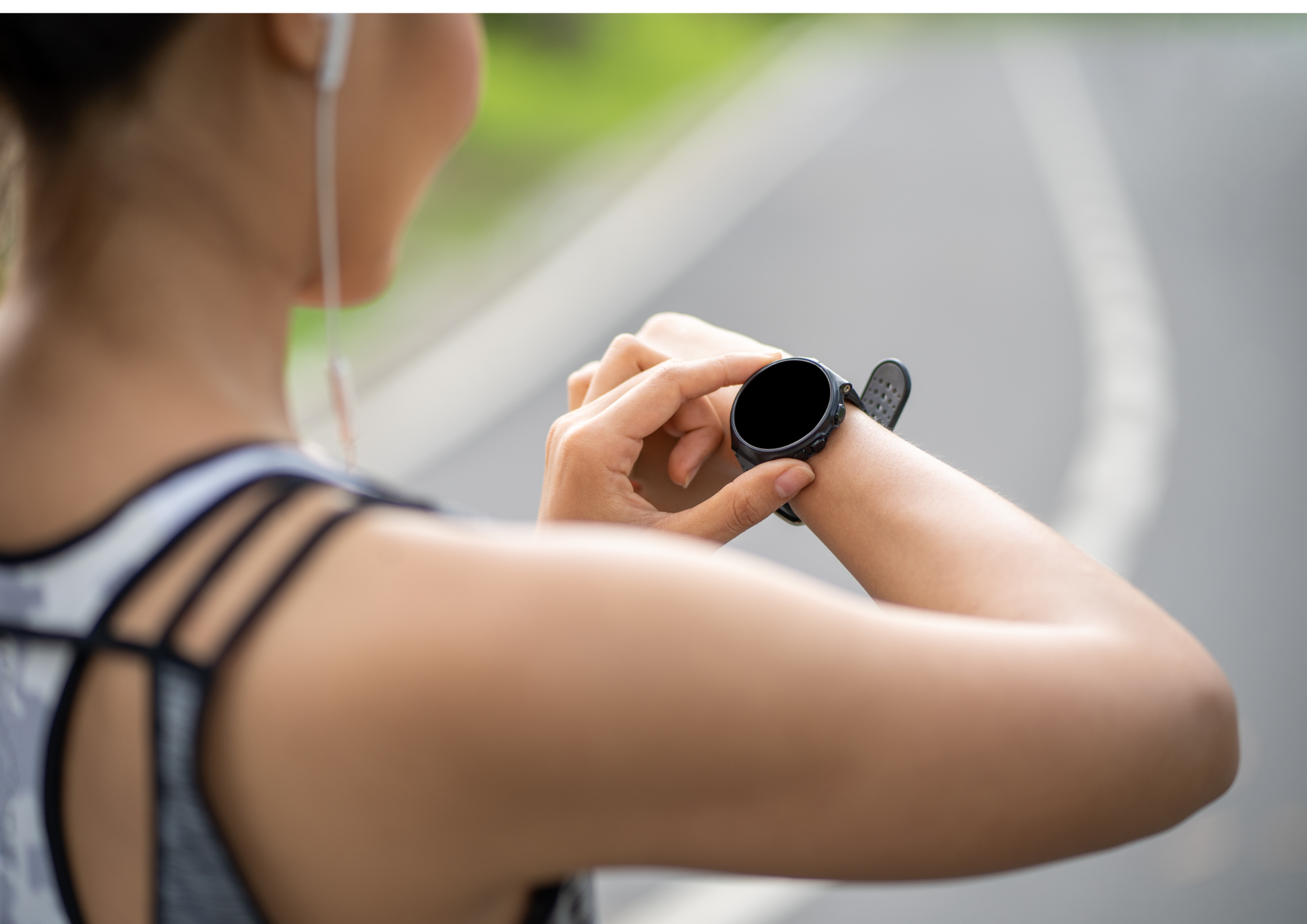
To remove the guesswork from pacing and help clients understand their symptoms, our exercise physiologists utilise biometric technology – specifically Heart Rate Variability (HRV) and activity tracking. This data provides an objective look into the client’s autonomic nervous system, helping us guide their daily activity decisions.
1. Establishing Their Baseline
Before introducing any physical movement, we spend several weeks tracking the client’s baseline HRV. This allows us to map their physiological boundaries – what their ‘normal’ consists of – and spot any volatile, erratic HRV scores caused by “boom and bust” cycles. We then work to integrate strategies that smooth out these fluctuations, establishing a stable baseline to ensure the client is physically ready for rehabilitation.
2. Identifying Optimal Days for Exercise
We utilize a daily HRV morning readiness score to determine exactly when a client has the capacity for physical activity. Using a simple traffic light system, we eliminate guesswork:
- 🟢 Green: The nervous system is balanced, indicating an optimal day to safely implement a gentle exercise session.
- 🟡 / 🔴 Yellow or Red: The body is under physiological stress. We modify the plan, replacing physical exertion with restorative down-regulation strategies like breathwork and mindfulness to protect the client’s baseline.
3. Assessing Load Tolerance and Response
To monitor for PEM, we assess the client’s response to activity by analyzing their HRV trends and accompanying symptoms over the following 12 to 48 hours. If their HRV score drops significantly after a session, it serves as an objective warning that the exercise load was too high. We immediately reduce the volume, intensity, or duration for the next session, tailoring their exercise plan closely depending on their response.
Rigid Progression vs. Responsive Rehabilitation
Historically, Graded Exercise Therapy (GET) – which enforces a rigid, calendar-based increase in exercise duration and intensity – was the standard prescription for chronic fatigue. Today, clinical evidence conclusively shows that GET can be deeply harmful to individuals experiencing PEM.
At Specialised Health, we operate under an entirely different clinical framework:
- Individualised and flexible: We do not utilise pre-determined, rigid step-ups. Programs are custom-built strictly around the client’s current physiological capacity.
- Responsive to the day: If a client presents for a session flagged, highly stressed, or near a crash, the program is modified on the spot. Safety and baseline maintenance always take priority over a rigid timeline.
- Staying within the “Energy Envelope”: We work safely within the client’s threshold to build functional capacity steadily, ensuring minimal risk of exacerbation.
Smarter Strategy, More Durable Outcomes
For an insurer or rehabilitation consultant, managing a fatigue claim requires a delicate balance between driving functional progression and avoiding setbacks. By leveraging biometric technology and practical pacing, we eliminate the trial-and-error approach that often dominates when relying on subjective data alone.
Does this sound like something your claimants would benefit from? Check out our Bounce Program and reach out for a chat!
References:
https://emerge.org.au/stop-rest-pace-2/
https://emerge.org.au/post-exertional-malaise-pem/
#exercisephysiology #exerciserehab #rehabilitation #lifeinsurance #incomeprotection #ctp #workcover #mobile #mobileexercisephysiology #fatigue #mentalhealth #cancer #musculoskeletal #injury #pain #physio #physiotherapy #Sydney #Brisbane #Melbourne #Adelaide #Auckland #Waikato #BayofPlenty #Wellington #Otago #Christchurch