When living with Post Traumatic Stress Disorder (PTSD), clients often face a familiar roadblock in recovery: despite wanting to move forward, their nervous system remains stuck in a heightened state of stress.
While traditional therapy takes a top-down approach by addressing thoughts, emotions and memories, recovery can also be driven from the bottom up – using targeted movement, breathing and physical awareness to communicate directly with the autonomic nervous system. Clinical Exercise Physiology extends far beyond standard sets, reps, bench presses and squats. An Exercise Physiologist builds structured exercise routines and autonomic regulation habits that restore work capacity, while ensuring the nervous system stays regulated at every stage of the recovery process.
This case study highlights Simon (name changed for privacy), a Police Officer who developed severe complex PTSD following exposure to a traumatic work related incident. For Simon, facing public environments, completing work tasks reminiscent of the event or spending quiet moments alone triggered overwhelming anxiety.
Simon’s outcome demonstrates how targeted Exercise Physiology, functional work simulation and objective biometric tracking can rebuild physical resilience and drive a sustainable return to work.
The Challenge: An Overwhelmed System That Was Stuck
When referred to Exercise Physiologist Cara, Simon had the physical strength required for frontline duties, but his nervous system lacked the tolerance to manage basic daily demands.
- Sleep disruption and hypervigilance: Severe sleep disruption, nightmares, and flashbacks meant he frequently slept until midday, woke with zero energy, and lacked the motivation to complete everyday tasks such as cooking, mowing the lawns and cleaning.
- Severe depression and anxiety: DASS-21 scores reflected severe depressive symptoms, accompanied by anxiety and high stress.
- Avoidance and overwhelm: His nervous system was constantly in a state of fight or flight, leading to Simon becoming socially isolated at home.
Returning to work felt impossibly distant, driven by intense anxiety over working alone, concentrating, and facing the public.
The Strategy: Targeted Exercise and Biometric Tracking
Cara delivered an initial 8-week Exercise Physiology program (6 sessions) focused on functional mobility, physical conditioning and autonomic regulation, while collaborating with Simon’s treating Psychologist.
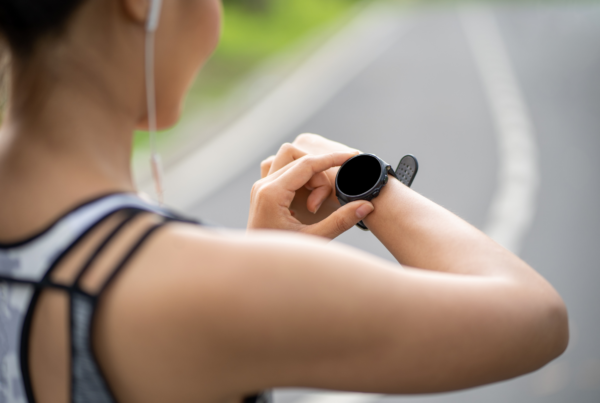
Biometric tracking served as supporting background data to inform session intensity, recovery and functional progression:
- HRV guided exercise: Heart Rate Variability (HRV) readiness scores and heart rate metrics guided daily session loading, ensuring gym-based, walking and mobility work adapted to his physiological state.
- Objective trigger mapping: Baseline HRV data provided tangible feedback, helping Simon correlate specific environments or events with elevated physiological stress.
- Down-regulation protocols: Active recovery techniques – including box breathing, diaphragmatic breathwork and body scans – were integrated to lower heart rate and reduce stress responses in real time.
- Graded community exposure: Physical sessions progressed from private gym settings to outdoor community environments, utilising physiological regulation strategies to manage public anxiety.
By 8 weeks, Simon demonstrated clear improvements in autonomic control. His PSFS score increased by 20 points, reflecting reduced avoidance and greater capacity for daily physical demands. Perhaps most importantly, he was starting to gain hope of a return to work being possible in future.
Making It Functional: Work Simulation and Strength Progression
Phase two focused on advancing physical capacity and integrating physiological self-regulation directly into work-specific scenarios. Over the next 12 sessions, Cara collaborated closely with the treating Psychologist and Occupational Therapist to integrate tasks that simulated his workplace duties:
- Real-time stress tracking during cognitive and physical tasks: Monitoring HR/HRV under load; practicing down-regulation strategies mid-task to return to baseline.
- Isolation exposure: Utilise progressive muscle relaxation and body scanning to manage racing thoughts when in quiet solitude.
- Independent sessions and outdoor exercise progressions: Transition to self-managed gym routines, walking and biking to build long-term autonomy.
The Outcome: Sustainable Resilience and Successful RTW
By treating his autonomic nervous system as a trainable, responsive system, Simon regained control over his health and daily routine. He established a self-directed routine of 150+ minutes of weekly physical activity and restored his confidence within community settings.
- Graded return to work: Supported by his multidisciplinary team, Simon initiated a graded RTW plan with the police force at 8 hours per week, performing station-based administrative duties.
- Normalised anxiety scores: Despite work environments being a primary trigger at baseline, his reassessment DASS-21 anxiety scores dropped to normal ranges.
- Long-term relapse prevention: When subsequent personal life events caused temporary spikes in depression, Simon had a toolkit of strategies to refer to. Using daily check-ins of his biometric data, mood and energy, he had a clear plan to identify symptom flares early and act proactively to prevent a crash.
“I have all the tools and have been using them. Cara was great, very helpful and encouraging!”
Why Exercise Physiology and Biometrics Drive PTSD Recovery
Integrating Heart Rate Variability monitoring alongside functional Exercise Physiology provides clients with clear insight into their autonomic nervous system. This approach bridges the gap between psychological concept and practical, physical recovery.
Temporary flares in anxiety are a natural part of returning to work after complex trauma. Utilising objective data to connect physical and emotional stressors with nervous system responses allows clients to depersonalise symptoms and apply targeted self-regulation strategies. Combined with structured strength, aerobic conditioning and work simulation, Exercise Physiology provides complex PTSD clients with a repeatable, long-term framework to maintain health and sustainable work capacity.
#exercisephysiology #exerciserehab #rehabilitation #lifeinsurance #incomeprotection #ctp #workcover #mobile #mobileexercisephysiology #fatigue #mentalhealth #cancer #musculoskeletal #injury #pain #physio #physiotherapy #Sydney #Brisbane #Melbourne #Adelaide #Auckland #Waikato #BayofPlenty #Wellington #Otago #Christchurch