
In the high-pressure world of healthcare, the line between “dedication” and “depletion” is often razor-thin. For one GP Registrar, whom we’ll call Alex, that line disappeared entirely in August 2024. Struggling with a mental health trifecta of depression, anxiety, and OCD, Alex was forced to cease work. His clinical precision had turned into a compulsive burden – he would often stay up late over-analysing patient notes and test results, unable to switch off at the end of the day. Both his sleep and mental health were suffering.
The Paradox of Exercise For Stress
When our Exercise Physiologist Caitlin met Alex in December 2024, he was physically and mentally exhausted. Interestingly, he was still training at the gym five days a week. For Alex, high-intensity exercise was his only outlet for stress, but it had become a “boom-and-bust” trap. He was training through extreme fatigue, often experiencing nausea and vomiting during workouts. Instead of recovering, his body was trapped in a perpetual state of “fight or flight,” leaving him without reserves for his mental health or professional life. He was in a dark place and struggling to see any light at the end of the tunnel.
Moving Beyond “Just Exercise”
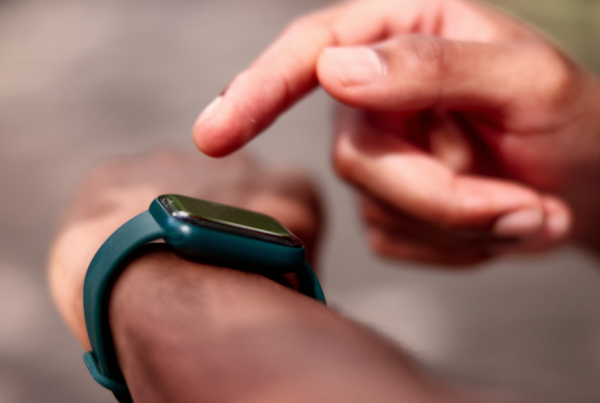
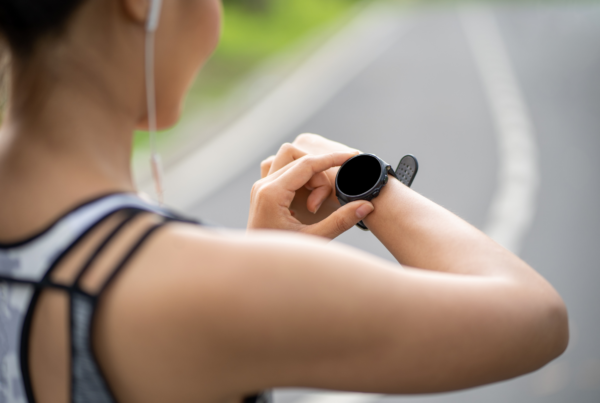
Caitlin’s intervention wasn’t about pushing harder; it was about pacing smarter. She introduced Heart Rate Variability (HRV) tracking and “morning readiness” scores. This biofeedback gave Alex objective data to see when his Autonomic Nervous System was overtaxed, and to understand his biggest triggers for stress.
For a clinician used to analysing data, seeing his HRV scores was a turning point. It allowed him to:
- Retrain the Nervous System: Caitlin introduced stress-based intervals to improve his ability to transition from high stress back to relaxation.
- Prioritize Down-Regulation: She replaced some high-intensity sessions with parasympathetic-focused activities like yoga, salsa dancing, and vagus nerve stimulation (using Shakti mats and deep breathing).
- Simulate Work Demands: Caitlin prescribed cognitive tasks – such as researching medication dosages – within 15-minute blocks to replicate the tempo of a GP consultation, without the emotional weight of a live patient.
Objective Data, Real-World Results
By April 2025, the shift was profound. Alex’s DASS (Depression, Anxiety, and Stress Scale) scores, which originally sat in the “Severe” category for depression, had dropped to “Mild,” while his anxiety and stress scores had returned to “Normal.”
Alex was prioritising activities to help him down-regulate his nervous system, instead of his usual push for high intensity, and strategically scheduling them throughout the week. His sleep hygiene, supported by wearable tracking, showed a significant increase in REM and deep sleep duration. Most importantly, the compulsive need to check notes was replaced by a structured workday that included dedicated admin blocks and firm “end-of-day” boundaries.
The Final Outcome: A Sustainable Return
Today, Alex has successfully returned to his pre-disability role, working 20 hours per week as a GP Registrar. He isn’t just back at work; he’s back with a toolkit that ensures longevity. By diversifying his stress outlets – swapping a grueling gym session for a sauna or a salsa class when his HRV is low – he has avoided the burnout patterns that previously sidelined him.
This case highlights that for complex mental health claims, traditional “return to work” plans often miss the physiological root of the problem. By combining Exercise Physiology with HRV technology, we help clients to understand the link between their emotional landscape and their physical body.
Do you have a client who is struggling with burnout or high-pressure work-life boundaries?
Reach out to our team today to discuss how a tailored EP program can support a sustainable and safe return to work.
Read more about HRV here!