
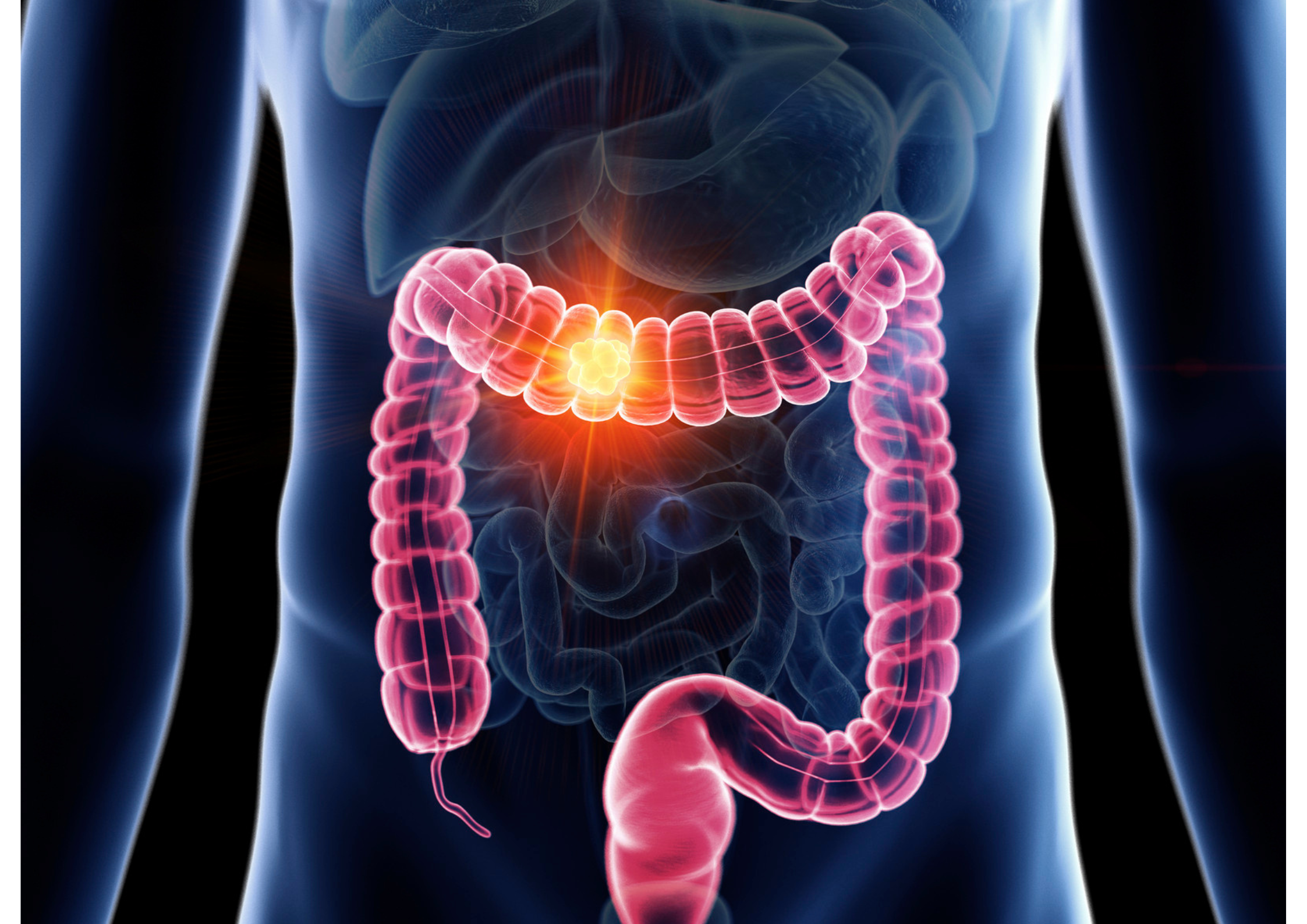
Australia and New Zealand hold some of the highest rates of Bowel cancer worldwide, with approximately 1 in 16 Australians, and 1 in 18 New Zealanders diagnosed in their lifetime. Bowel cancer is the second deadliest cancer in Australia, but it is also one of the most treatable if detected early.
This June, for Bowel Cancer Awareness Month, we are raising the flag for better bowel health – helping to advocate for regular screening, identify symptoms, and take steps towards better bowel health – literally! (It wouldn’t be an exercise physiology blog without a nod to the science-backed benefits of exercise for cancer prevention and recovery!).
Note: While we usually work with clients following a diagnosis, this blog is about prevention.
For insurance case managers and rehabilitation providers who are currently supporting claimants with bowel cancer, check out our historic blog that highlights Strategies for Case Managers coordinating support for claimants after bowel cancer.
Screening for Bowel Cancer
Most bowel cancers begin as polyps (small growths) on the walls or lining of the colon or rectum. These are usually harmless, but can become cancerous if left undetected. According to Bowel Cancer Australia, research indicates that “up to 32% of bowel cancer cases may be prevented by endoscopic screening alone”. Screening reduces the risk of polyps developing into cancerous cells, even before any symptoms appear. Even more striking, those who had polyps removed had a 40% lower risk of death compared with people who had not been screened.
In Australia, free screening is offered for those aged 45 to 74 to detect early signs of bowel cancer (in NZ, the age range is 58-74 years), using at-home stool test kits.
Note: While 88% of cases occur in those over 50, rates are rising in younger cohorts. Australians born in the 1990s face a risk 2–3x higher than those born in the 1950s.
Red Flags to Watch For:
If you or anyone you know notices these persistent symptoms (over a period of several weeks), a GP visit is vital:
- Blood: Rectal bleeding or blood in stool (bright red or dark).
- Bowel Motion Changes: Persistent diarrhea, constipation, or narrower stools.
- Abdominal pain, bloating, a feeling that the bowel hasn’t emptied or a mass in the abdomen.
- Unexplained tiredness (often due to anemia) or unintentional weight loss.
Risk Factors: Modifiable vs. Non-Modifiable
There are some factors that we can control to reduce our risk, and some we cannot. We call these ‘modifiable’ and ‘non-modifiable’ risk factors.
Non-modifiable risk factors are things such as your age (risk increases progressively after age 40), genetics (a family history of bowel cancer, or genetic conditions such as Lynch Syndrome or Familial Adenomatous Polyposis) and your personal health history (previous cancer diagnosis, history of polyps, and the presence of other health conditions such as Type 2 Diabetes, Ulcerative Colitis, or Crohn’s disease).
If we look at modifiable risk factors, research shows that combining screening with these healthy lifestyle factors can prevent up to 61% of cases!
- Dietary changes:
- Limit red meats: Reduce consumption of beef, lamb and pork to 3 servings per week (350-500g cooked weight).
- Minimise processed meats (ham, bacon, salami, sausages): these have been strongly linked to increased risk of bowel cancer.
- Consume (low fat) dairy products, or supplementary calcium: 400g of dairy per day decreases risk by 15%.
- Increase fiber and wholegrains: 90 grams / day of wholegrains such as brown rice and wholemeal bread can reduce the risk of bowel cancer by 17%.
- Minimise, or abstain from alcohol: Risk increases significantly when consuming two or more alcoholic drinks per day.
- Body weight: High body fatness (measured by BMI or waist circumference) is a significant risk driver.
- Smoking: Smoking 40 cigarettes a day can increase risk by 40% and nearly doubles the risk of death from the disease.
- Physical activity: Sedentary lifestyles are linked to higher rates; regular exercise can reduce colon cancer risk by 16%.
A Moment for Exercise…
The impact of exercise physiology extends far beyond prevention; it is a cornerstone of the entire cancer continuum, from treatment through to long-term recovery. For those navigating a diagnosis, staying active (aiming for 150+ minutes of moderate-to-vigorous intensity weekly) is associated with a lower risk of recurrence and significantly better overall survival.
Physically, it helps mitigate the severity of treatment-related side effects – such as fatigue, pain, and Low Anterior Resection Syndrome (LARS) – while providing a vital boost to mental wellbeing and cognitive function.
If you have claimants recovering from bowel cancer, make sure to include exercise physiology as part of the multidisciplinary approach. Keep an eye out for our next blog in 2 weeks time which showcases this in a bowel cancer case study!
References:
https://www.bowelcanceraustralia.org/bowel-cancer/
#exercisephysiology #exerciserehab #rehabilitation #lifeinsurance #incomeprotection #ctp #workcover #mobile #mobileexercisephysiology #fatigue #mentalhealth #cancer #musculoskeletal #injury #pain #physio #physiotherapy #Sydney #Brisbane #Melbourne #Adelaide #Auckland #Waikato #BayofPlenty #Wellington #Otago #Christchurch