
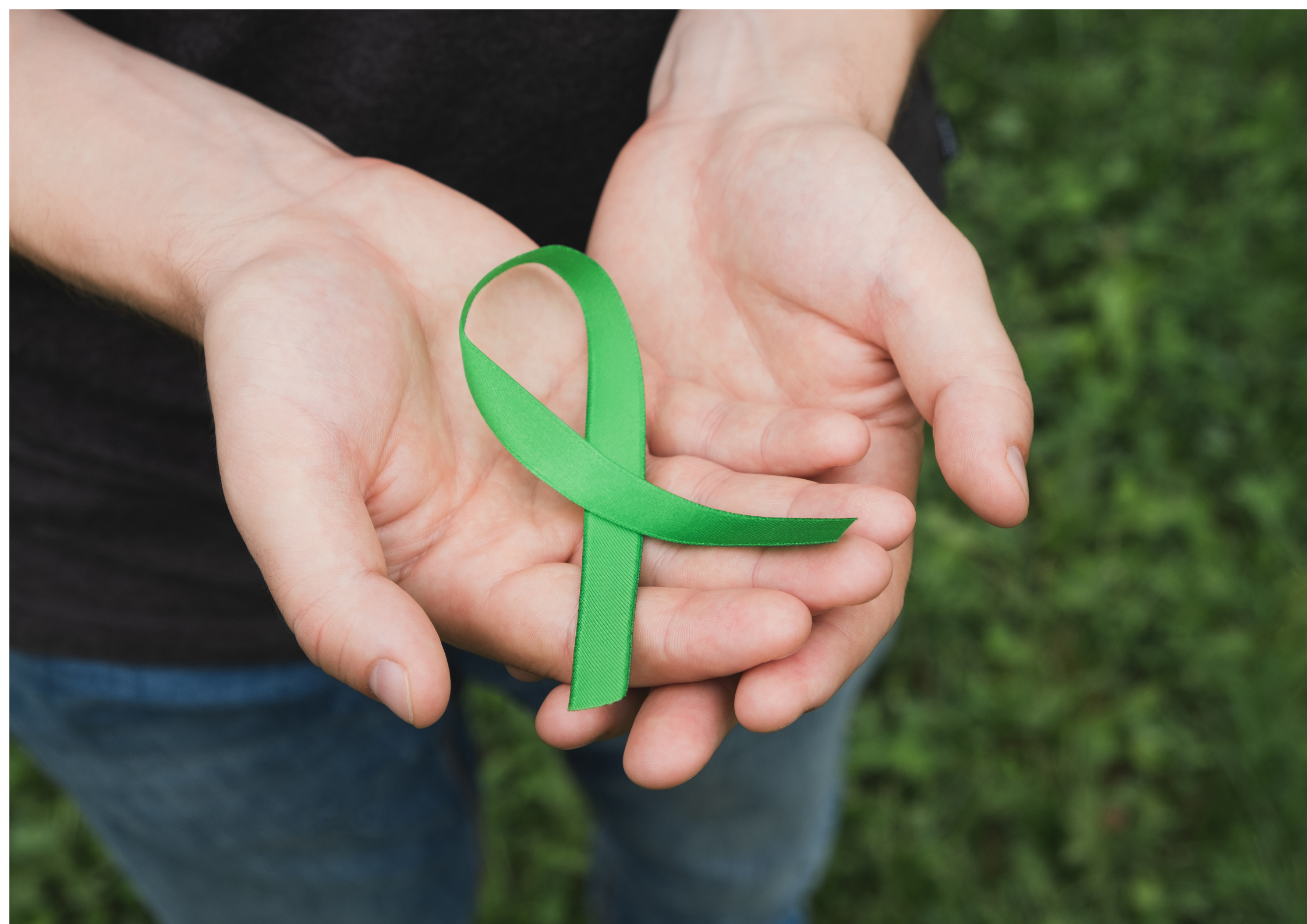
For many individuals, completing cancer treatment is just the beginning of a new, often daunting chapter. The transition from patient to survivor often involves navigating significant physical and mental hurdles, including fatigue, cognitive challenges, and reduced capacity for everyday tasks. At Specialised Health, our goal is to help these individuals move beyond their diagnosis and return to their work and lives with confidence.
Emerging evidence shows that exercise is not just a “nice-to-have” during this phase; it is a clinical necessity that can fundamentally alter the recovery trajectory.
The Science of Exercise for Cancer Rehab
Research consistently shows that structured exercise has a role to play across the whole continuum of cancer care. From treatment, to longevity, the science suggests that benefits of exercise include:
- Physical Resilience: Targeted exercise helps mitigate the side effects of treatment, reduce cancer related fatigue, improve cardiovascular health, combat muscle atrophy, and assist in managing weight changes associated with treatment.
- Mental Health and Cognition: Exercise is a powerful tool for addressing “chemo-brain” (cognitive impairment), improving memory retention, and reducing symptoms of depression and anxiety.
- Sustainable Recovery: Regular physical activity is linked to a higher quality of life and a reduced risk of cancer recurrence.
Evidence-Based Exercise Recommendations: The Gold Standard
To get the best results, we look to international recovery standards (like those from ESSA and the ACSM) as our “North Star.” These guidelines give us a clear target for what a healthy, functioning body needs:
- Resistance Training: Working the major muscle groups at least twice a week. This is vital for reversing muscle wasting (sarcopenia) caused by treatment and rebuilding the strength required for work-related tasks (or even daily tasks – like carrying groceries or lifting a laptop bag!)
- Aerobic Exercise: Aiming for a cumulative 150 minutes of moderate-intensity activity (such as brisk walking) or 75 minutes of vigorous activity (such as HIIT) per week.
While these “gold standard” metrics are our clinical targets, we recognize that a diagnosis of cancer often leaves an individual far from these benchmarks. On day one, 150 minutes of exercise may feel impossible for a client struggling with extreme fatigue or surgical complications.
We bridge the gap between their current capacity and the gold standard through incremental, safe, and highly individualised progressions. For a cancer survivor, this means assessing their current fatigue levels, physical restrictions from treatment, and what is required to get them back to their pre-diagnosis life.
A Case Study: Jordan’s Path Back to the Classroom
Jordan (name changed for privacy) was diagnosed with bowel cancer in 2020. Following surgery and chemotherapy, he gained 35kg and was struggling with fatigue, poor memory, low motivation and low mood. He experienced persistent lower back pain and walking needed to be broken up into 5-10 minute bouts at a time to manage his breathlessness. A high school teacher by trade, he had ceased teaching shortly after treatment and feared he no longer had the mental or physical capacity to return to the classroom. When referred to us in late 2023 for a Wellness program, he was working 16 hours a week in a casual retail role.
Exercise Physiologist Jack implemented a gym-based program focused on a combination of cardiovascular training and resistance exercises. Jordan had not been exercising at the time of the referral, but he approached his exercises with great diligence, attending all supervised sessions and consistently completing 1-2 independent sessions each week. As he gained confidence in the gym, his program evolved to include high intensity interval training alongside bigger weights.
Over several months of commitment, Jordan saw transformative results:
- Physical Gains: Jordan was walking his dog for up to 45 minutes, his sit to stand test improved from 9 to 16 reps, and his lifting capacity increased from 16 to 26kg.
- Psychological Shift: Jordan reported a significant increase in his mental health, motivation, and social engagement.
- Lifestyle Change: At the end of the program, Jordan spontaneously signed up for a 1 year gym membership, reflecting his determination to integrate exercise into his lifestyle independently.
- With these physical and psychological improvements, Jordan felt ready to progress his return to work with the support of a vocational provider.
Partnering for Better Outcomes
If you are managing a claim where a client is struggling with the aftermath of cancer treatment, exercise physiology may be the missing piece of the recovery puzzle.
The Specialised Health approach is built on the reality of the individual. It’s not about forcing a client into a rigid protocol; instead, it’s about meeting them exactly where they are today. For some, like Jordan, the starting point may be just 10 minutes of walking with frequent breaks to catch their breath.
How can we help your clients bridge the gap between treatment and a full return to life?
References:
- Campbell et al. (2019). Exercise Guidelines for Cancer Survivors: Consensus Statement from International Multidisciplinary Roundtable. Medicine and science in sports and exercise, 51(11), 2375–2390. https://doi.org/10.1249/MSS.0000000000002116
- Mustian, et al. (2012). Exercise Recommendations for Cancer-Related Fatigue, Cognitive Impairment, Sleep Problems, Depression, Pain, Anxiety, and Physical Dysfunction: A Review. Oncology & hematology review, 8(2), 81–88. https://doi.org/10.17925/ohr.2012.08.2.81
- Hussey & Gupta, A. (2022). Exercise interventions to combat cancer-related fatigue in cancer patients undergoing treatment: a review. Cancer Investigation, 40(9), 822-838.
- https://www.breastcancer.org.nz/content/exercise-helps-ease-fatigue-and-chemo-brain
#exercisephysiology #exerciserehab #rehabilitation #lifeinsurance #incomeprotection #ctp #workcover #mobile #mobileexercisephysiology #fatigue #mentalhealth #cancer #musculoskeletal #injury #pain #physio #physiotherapy #Sydney #Brisbane #Melbourne #Adelaide #Auckland #Waikato #BayofPlenty #Wellington #Otago #Christchurch